

The Maasai Mara is the place most people picture when they dream of an African safari. Wide open grasslands, big skies, and animals that still live the way they have for thousands of years. It’s the northern end of the same great ecosystem that includes the Serengeti, and every year it becomes the stage for one of nature’s most extraordinary events.
What makes the Mara special
This is classic East African savanna — short-grass plains that stretch to the horizon, broken by the Mara and Talek rivers and the dramatic Oloololo Escarpment on the western side. The reserve itself covers about 1,510 km², but the real magic continues into the surrounding community conservancies. There the vehicle numbers drop and you can do things that aren’t allowed inside the main reserve — night drives, walking safaris, and getting off the tracks when the moment is right.
Big cats, every day
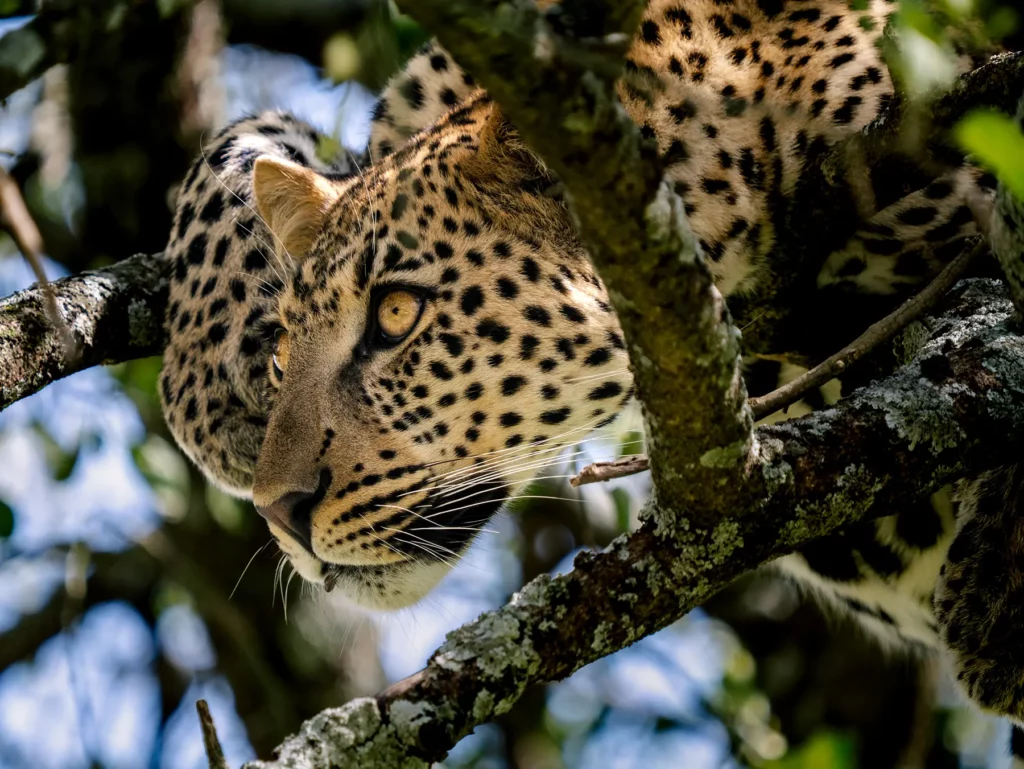
The Mara has one of the highest densities of lions in Africa. Prides are often out in the open, and the light is perfect for photography from first light until the sun drops. Cheetahs hunt on the short grass, and leopards still hold territories along the riverine forests. You’re also likely to see elephants, buffalo, giraffe, and huge herds of zebra and antelope.
Black rhinos are present but shy — a sighting is always a special bonus.
The Great Migration
Between July and October the plains fill with wildebeest. Roughly 1.5 million of them, plus hundreds of thousands of zebra and gazelle, push up from the Serengeti looking for fresh grass. The real drama happens at the Mara River. The herds gather on the banks, hesitate, then suddenly pour into the water while crocodiles wait below and predators watch from the other side.
No two seasons are exactly the same. Some years the crossings start in early July; other years the big action arrives later. That’s why we always build a little flexibility into the itinerary and stay close to the guides who know the current movements.


When to go
- July to October — for the migration and river crossings
- January to March — superb predator viewing, short grass, fewer people
- April & May — lush and green, excellent birding, lowest prices
- November & December — quiet, beautiful light, still full of resident game
How we put it together
We’re based in Arusha, but we know the Mara well and regularly design Kenya extensions and full Kenya–Tanzania combinations. We choose camps carefully — some right on the river for migration season, others in the quieter conservancies where you can walk and do night drives. Everything is private, so you set the pace.
Whether you want three nights focused on the crossings or a longer trip that also includes the Serengeti, Ngorongoro and a few days on the beach in Zanzibar, we’ll shape it around what matters to you.
Ready when you are
Tell us roughly when you’d like to travel and what kind of experience you’re looking for. We’ll come back with clear options and honest advice — no pressure, just good planning.
Start planning